
From Discovery to Revision
Fantastic Beasts and Where to Find ThemThis flow traces the book’s movement from accumulated sightings through systematic description toward the expectation that future discoveries will change its contents.
increasing Bearing strength in each event
 decreasing
Bearing strength in each eventdecreasingA World to Investigate
A World to Investigate
Many unknown habitats
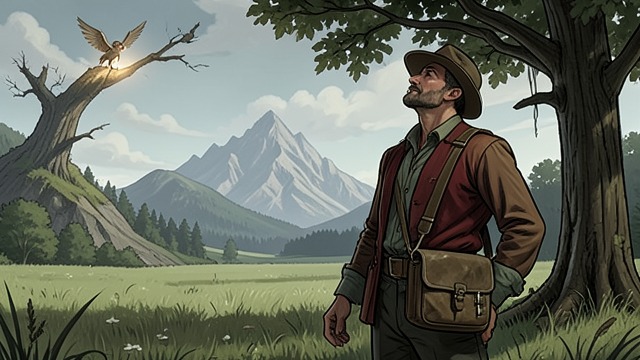
Newt Scamander recalls travelling from jungles and deserts to mountain peaks and marshes in search of magical beasts. The variety of environments makes clear that the research problem is global.
Questions lead outward
Each habitat may contain creatures with distinctive habits and powers. The work requires repeated journeys rather than a single expedition or a narrow local survey.
The book begins from the premise that knowledge is distributed across places. A comprehensive guide must follow creatures into the environments that shape their lives.
A Publisher’s Invitation
A Publisher’s Invitation
The compendium proposed
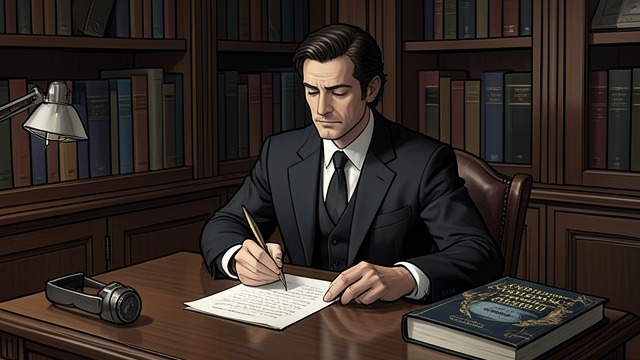
Augustus Worme asks Newt to write an authoritative compendium of magical creatures for Obscurus Books. The commission gives his accumulated interest a defined project.
Research made possible
Newt accepts partly to augment his modest Ministry salary and travel during his holidays. The publishing offer makes the search for new species a practical part of his working life.
A reference work begins as a partnership between specialist knowledge and commercial support. The commission gives travel a destination: a book that can organize what Newt finds.
First Publication
First Publication
Observations organized
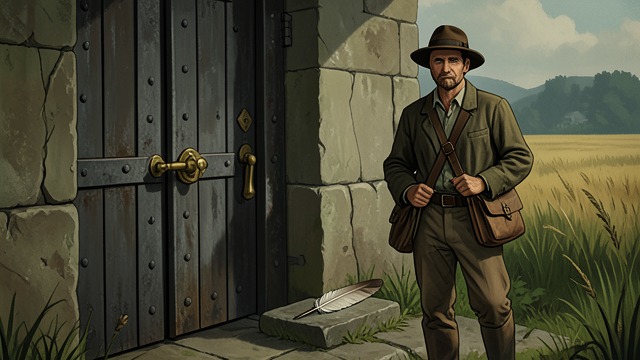
The first edition of Fantastic Beasts and Where to Find Them appears in 1927, gathering Newt’s research in an accessible compendium. The A–Z structure lets readers approach its many species as separate subjects.
A book enters circulation
Publication carries observations from field sites into classrooms and households. Newt’s work can now travel farther through readers than he could by personally visiting every community.
The transition from notes to book changes the scale of the research. Knowledge becomes portable, reusable, and open to comparison across species.
A Record That Grows
A Record That Grows
Revision through new knowledge
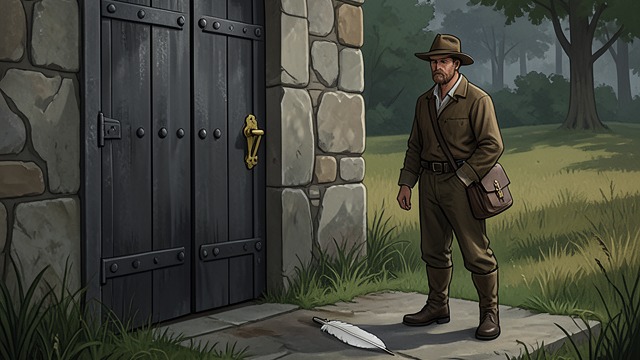
The book reaches its fifty-second edition, showing that the catalogue has remained in active circulation and revision. New editions keep the reference useful to readers over time.
New species may emerge
Newt expects another discovery soon and anticipates a fifty-third edition. The prediction makes uncertainty part of the publication’s normal future rather than an exception.
A living record must leave space for what researchers have not yet encountered. Revisions preserve the book’s authority by allowing its contents to change.
The Reader Becomes a Witness
The Reader Becomes a Witness
A new audience receives the record
The special edition offers Muggle readers a carefully framed version of Newt’s creature guide. Dumbledore reassures them that the creatures are fictional, while inviting wizarding readers to help the fund.
The record gains another use
The book’s publication supports children’s causes and makes its contents part of a charitable appeal. Readers become participants in the book’s afterlife, not merely recipients of its information.
The guide’s journey ends by becoming something more than a catalogue. Its accumulated knowledge enters a new public setting and helps support work beyond the fictional world.
before the 1918 commission
1918
1927
by the fifty-second edition
when the special edition reaches Muggle bookshops
